


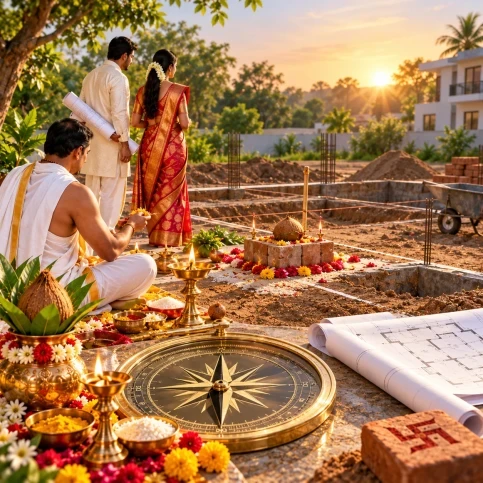
Best Griha Aarambh Muhurat Consultant in India
Griha Aarambh Muhurat is traditionally considered an important part of planning the beginning of construction or major development work for a new property. IIAG Jyotish Sansthan provides personalized Muhurat guidance based on traditional Vedic astrology and Panchang principles. As a Best Griha Aarambh Muhurat Consultant in India Delhi Ncr, we may consider factors such as Tithi, Nakshatra, Vara, Yoga, Karana, planetary considerations, location, and the nature of the proposed construction while identifying suitable Muhurat options. An Expert Griha Aarambh Muhurat Consultant can also review the planned construction schedule and help coordinate an appropriate traditional time for beginning the work. Through Griha Aarambh Muhurat Online Consultation, clients can discuss property details, proposed construction dates, and relevant astrological considerations remotely. The selected Muhurat may vary according to location, Panchang calculations, property circumstances, and family traditions. Traditional Muhurat guidance should be used alongside professional architectural, structural, engineering, legal, and construction requirements.
Griha Pravesh Muhurat: Auspicious Dates, Puja Vidhi & Vastu Guidelines
Griha Aarambh Muhurat refers to the traditionally selected auspicious time for beginning the construction or foundation-related work of a new house or property. In Vedic astrology and Muhurat Shastra, factors such as Tithi, Nakshatra, Vara, Yoga, Karana, planetary considerations, and local Panchang may be reviewed when selecting a suitable time. The Griha Aarambh Puja Vidhi may include Ganesh Puja, Vastu-related worship, Bhumi Puja, Kalash-related rituals, and other customary practices according to family and regional traditions. Griha Aarambh Vastu Guidelines may consider plot orientation, site preparation, foundation planning, entrance direction, and the overall property layout. Vastu Muhurat can provide a traditional framework for coordinating construction activities, while a new home Muhurat may be selected according to the specific purpose and stage of the project. The appropriate date and rituals can vary by location, Panchang, property, and family tradition. Muhurat guidance should complement professional architectural, structural, engineering, legal, and construction requirements.
Which Factors Should Be Checked Before Grah Aarambh
Before Grah Aarambh, several traditional Vedic astrology, Panchang, Vastu, and practical factors may be reviewed to select an appropriate time for beginning construction work. Important considerations include:
Panchang
Before Grah Aarambh, the Panchang is traditionally checked to identify a suitable Muhurat. It provides important details such as Tithi, Vara, Nakshatra, Yoga, and Karana. Reviewing these factors helps align the beginning of construction with traditional Vedic Muhurat principles. The Panchang may also help identify periods that are generally preferred or avoided for starting construction activities. A suitable date and time can then be selected according to the property's location and purpose.
Tithi
Tithi represents the lunar day in the traditional Hindu calendar and is an important factor when selecting a Grah Aarambh Muhurat. Different Tithis are traditionally associated with different activities and levels of suitability. Before beginning construction, the selected Tithi may be evaluated along with Nakshatra, Vara, Yoga, Karana, and planetary considerations. This helps create a more comprehensive Muhurat assessment rather than relying on a single factor.
Nakshatra
Nakshatra is another important consideration for Grah Aarambh. Traditional Vedic astrology associates different lunar constellations with particular qualities and activities. The Nakshatra prevailing at the proposed construction-start time may therefore be reviewed while selecting the Muhurat. Its suitability is generally assessed together with Tithi, Vara, Yoga, Karana, Lagna, and planetary positions to identify a traditionally favorable time for beginning construction.
Yoga
Yoga is one of the five components of Panchang and is considered while determining an auspicious Grah Aarambh Muhurat. Traditional astrology describes different Yogas with different characteristics. Before construction begins, the prevailing Yoga may be examined along with Tithi, Nakshatra, Vara, and Karana. Considering these factors together can provide a more structured approach to selecting the proposed date and time for the beginning of construction.
Karana
Karana is a half-Tithi division in the Panchang and is traditionally considered when selecting a Muhurat. Different Karanas are associated with different activities according to Vedic calendrical traditions. For Grah Aarambh, the prevailing Karana may be checked along with Tithi, Nakshatra, Yoga, Vara, and other astrological factors. This combined assessment helps in identifying a suitable traditional time for starting construction work.
Rahu Kalam
Rahu Kalam is traditionally regarded as an unfavorable period for initiating important activities. Therefore, it may be checked when selecting the time for Grah Aarambh. The duration of Rahu Kalam varies according to the day and location. A Muhurat consultation can identify and avoid this period when appropriate. Rahu Kalam should be considered as one factor within the overall Panchang and Muhurat assessment rather than as the only deciding factor.
Gulika Kalam
Gulika Kalam is another traditional time period considered while selecting an auspicious Muhurat. According to Vedic calendrical practices, certain important activities may be planned outside this period. For Grah Aarambh, the local Gulika Kalam can be checked according to the property's location and proposed construction date. It is generally assessed together with Tithi, Nakshatra, Yoga, Karana, Lagna, and other relevant factors.
Yamaganda
Yamaganda is traditionally considered a period to avoid when initiating certain important activities. Before Grah Aarambh, its timing may be checked according to the local Panchang. If possible, the construction-start Muhurat can be selected outside Yamaganda while also considering other important factors. Since Muhurat selection involves multiple elements, Yamaganda should be evaluated together with Tithi, Nakshatra, Lagna, planetary strength, and the specific purpose of the construction.
Lagna
Lagna, or the ascendant, is an important consideration in Vedic Muhurat selection. For Grah Aarambh, the Lagna prevailing at the proposed starting time may be examined for its traditional suitability and stability. Astrologers may also review the Lagna lord, relevant houses, and planetary influences. Selecting a suitable Lagna along with favorable Panchang elements can provide a more detailed traditional assessment of the construction-start Muhurat.
Planetary Strength
Planetary Strength may be reviewed when determining a Grah Aarambh Muhurat. Traditional Vedic astrology considers the positions, dignity, and influence of relevant planets at the proposed time. The condition of the Lagna lord and other significant planets may also be evaluated. This assessment is generally combined with Panchang elements, Lagna, and the property's purpose to identify a traditionally suitable time for beginning construction.
Vastu Direction of the Plot
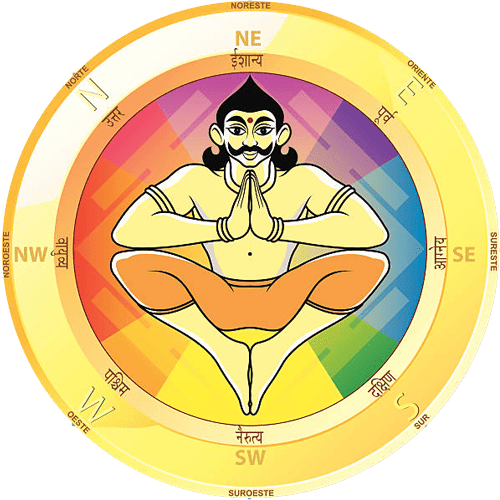
The Vastu Direction of the Plot may be reviewed before finalizing a Grah Aarambh Muhurat. The plot's orientation, entrance direction, shape, slope, surrounding environment, and proposed building layout can be considered according to traditional Vastu principles. Understanding the site's directional characteristics may help coordinate the construction plan with the selected Muhurat. Vastu guidance should complement architectural, structural, engineering, safety, legal, and local construction requirements.
What Should You Do Before Grah Aarambh?
Before Grah Aarambh, it is useful to complete both traditional Vastu and practical preparations to ensure the construction process begins in an organized manner. Traditionally, the suitable Muhurat is selected after reviewing the Panchang, including Tithi, Nakshatra, Vara, Yoga, and Karana. The plot should be cleaned and prepared, while its direction, shape, measurements, slope, and proposed construction layout may be reviewed according to traditional Vastu principles. If a Bhumi Puja or other customary ritual is planned, the required materials and arrangements should be prepared in advance. It is also advisable to finalize architectural drawings, structural plans, permissions, contractor arrangements, and construction requirements before the selected Muhurat. Family traditions and local customs may also be considered when planning the ceremony. At IIAG Jyotish Sansthan, traditional Grah Aarambh Muhurat guidance can help coordinate the auspicious timing with the specific property and construction plans.
Finalize the Property
Before Grah Aarambh, finalize the property where construction will begin. Confirm ownership, plot boundaries, location, orientation, and basic property details. Ensure that required documentation and permissions are appropriately arranged before proceeding with construction planning.
Check Vastu
Review the property's direction, shape, slope, entrance, and proposed building layout according to traditional Vastu principles. A Vastu assessment can help identify relevant spatial considerations before construction begins and may support better planning of rooms, entrances, and other important areas.
Confirm Construction Plans
Finalize architectural drawings, structural plans, measurements, material requirements, and construction arrangements before the selected Muhurat. Ensure that contractors and relevant professionals understand the approved plan and that necessary permissions and practical preparations are in place.
Select Muhurat
Choose the Grah Aarambh Muhurat after reviewing relevant Panchang factors such as Tithi, Nakshatra, Vara, Yoga, Karana, Lagna, and planetary considerations. The selected time should also be appropriate for the property's location and the planned construction activity.
Prepare Puja Materials
If a traditional Bhumi Puja or Grah Aarambh ceremony is planned, prepare the required Puja materials in advance. The list may vary according to family traditions, local customs, and the guidance of the practitioner conducting the ceremony.
Clean the Property
Clean and organize the plot before the Grah Aarambh ceremony. Remove unnecessary waste, debris, and obstructions and keep the area ready for the planned ritual and initial construction activity. A clean site also supports safer and more organized preparation.
Consult the Relevant Practitioner
Consult a qualified Vastu or astrology practitioner for personalized Muhurat and traditional Vastu guidance. They can review the property's details and help coordinate the selected timing with relevant Panchang and Vastu considerations.
Confirm the Exact Start Time
Once the Muhurat is finalized, confirm the exact starting time with the practitioner and construction team. Ensure everyone involved is prepared beforehand so the initial construction activity or ceremony can begin as planned within the selected Muhurat.
Why Choose a IIAG Jyotish Sansthan?
Choosing Griha Pravesh Muhurat with IIAG Jyotish Sansthan provides personalized guidance based on traditional Vedic astrology, Panchang, and Muhurat principles. Our consultation may consider Tithi, Nakshatra, Vara, Yoga, Karana, planetary factors, location, and the specific purpose of the property when identifying suitable Muhurat options. We also help clients understand traditional Puja Vidhi and relevant Vastu considerations for their new home or construction project. With online consultation support, clients can conveniently discuss their requirements and receive guidance according to their property details, family traditions, and preferred schedule. Muhurat recommendations should complement practical construction and professional requirements.




 Vedic Astrology
 KP Astrology
 Advance KP
 Vastu Shastra
 Astro-Vastu
 Energy Healing
 Astro Advice
 Vastu Guidance
 NG Software
 NJ Patrika
 Gemstone Selection
 Rudraksh Selection